The Methodology Project: Master degree AUT (Academic Rigor)
Read time:
7 min
Client:
lead researcher & service designer
Industry:
Service design Thesis (Service Design to Assist Caregivers of Adults With Learning Disabilities)
Start:
September 2, 2024
End:
December 20, 2024
Duration:
16 Weeks
Keywords :Service design, Design thinking, Learning disability, Autism, Caregiver, Thai culture, Application design, User-interface, User-experience
Abstract :
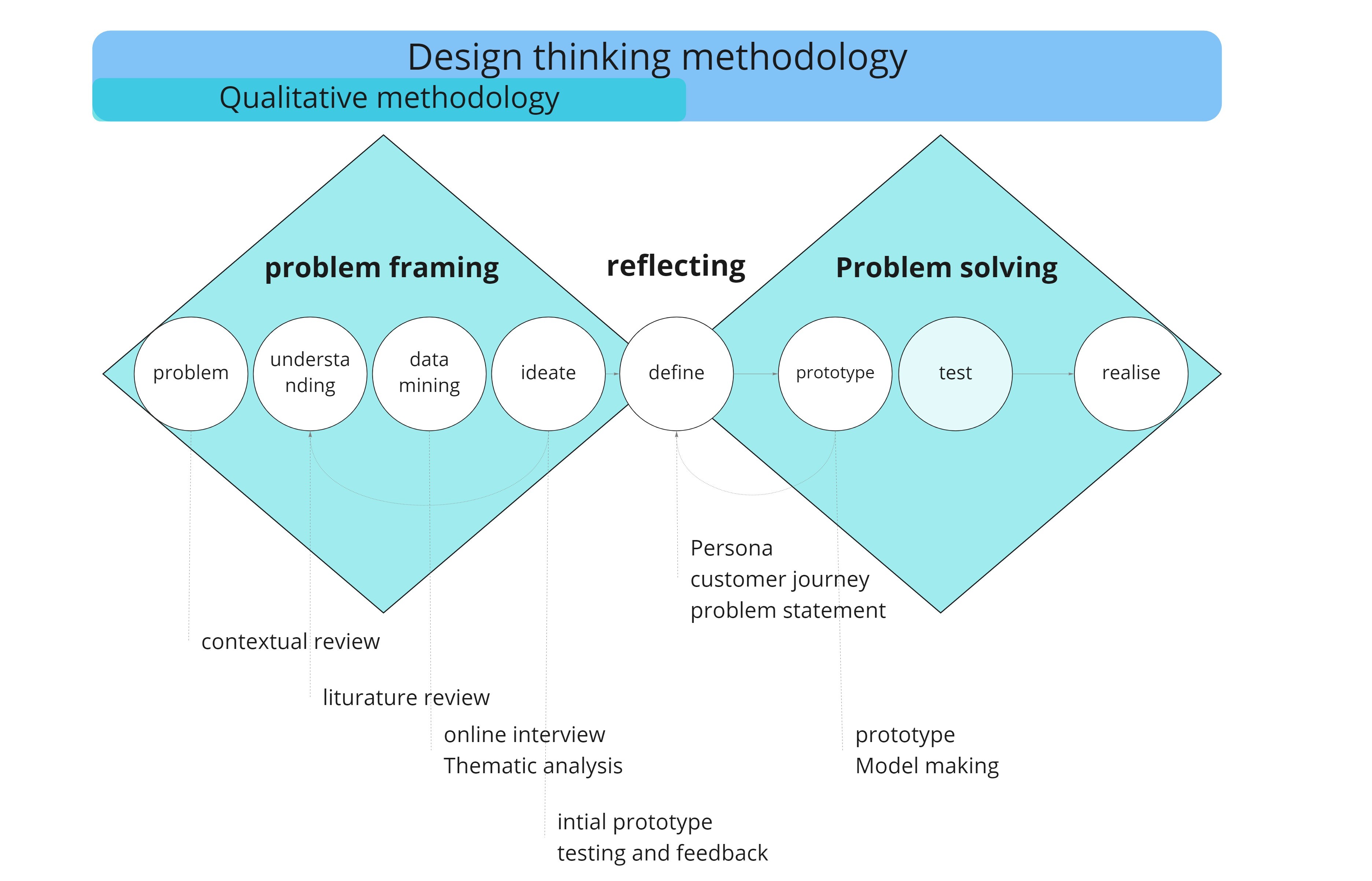
This project investigated a design solution to assist the caregivers of adults with learning disabilities (McRae et al.) in Thailand. The problems associated with LDs are increasing annually. The bulk of primary caregivers are individual family members who provide caregiving services without sufficient support from healthcare organisations. The challenge to Thai caregivers is to maintain their career while concurrently providing care to people with LDs. In some instances, they are pressured into quitting their jobs to care for family members with LDs. This research project employed a design thinking methodology, which is a qualitative approach. Based on trial-and-error attempts and proactive practical experience using the design thinking process, this research established that design outcomes must rapidly meet user needs through the product development cycle of prototype and testing.

Starting point
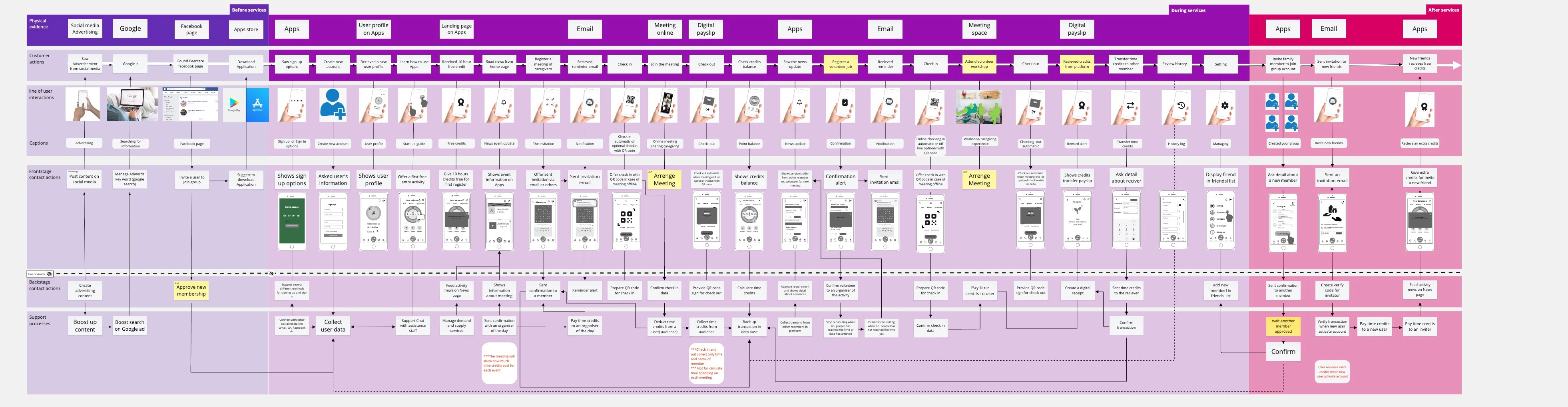
Service Blueprints
Problem solving
Service Blueprints :
I started by auditing the performance and content structure. From there, I simplified navigation, rewrote key sections, and introduced a visual system that balanced tech, emotion, and clarity.
Implimentation
I designed a streamlined experience that works beautifully across devices. Interactive modules highlight features, while the updated layouts keep things fast, responsive, and easy to update internally.
Results
Prototyping & Testing results
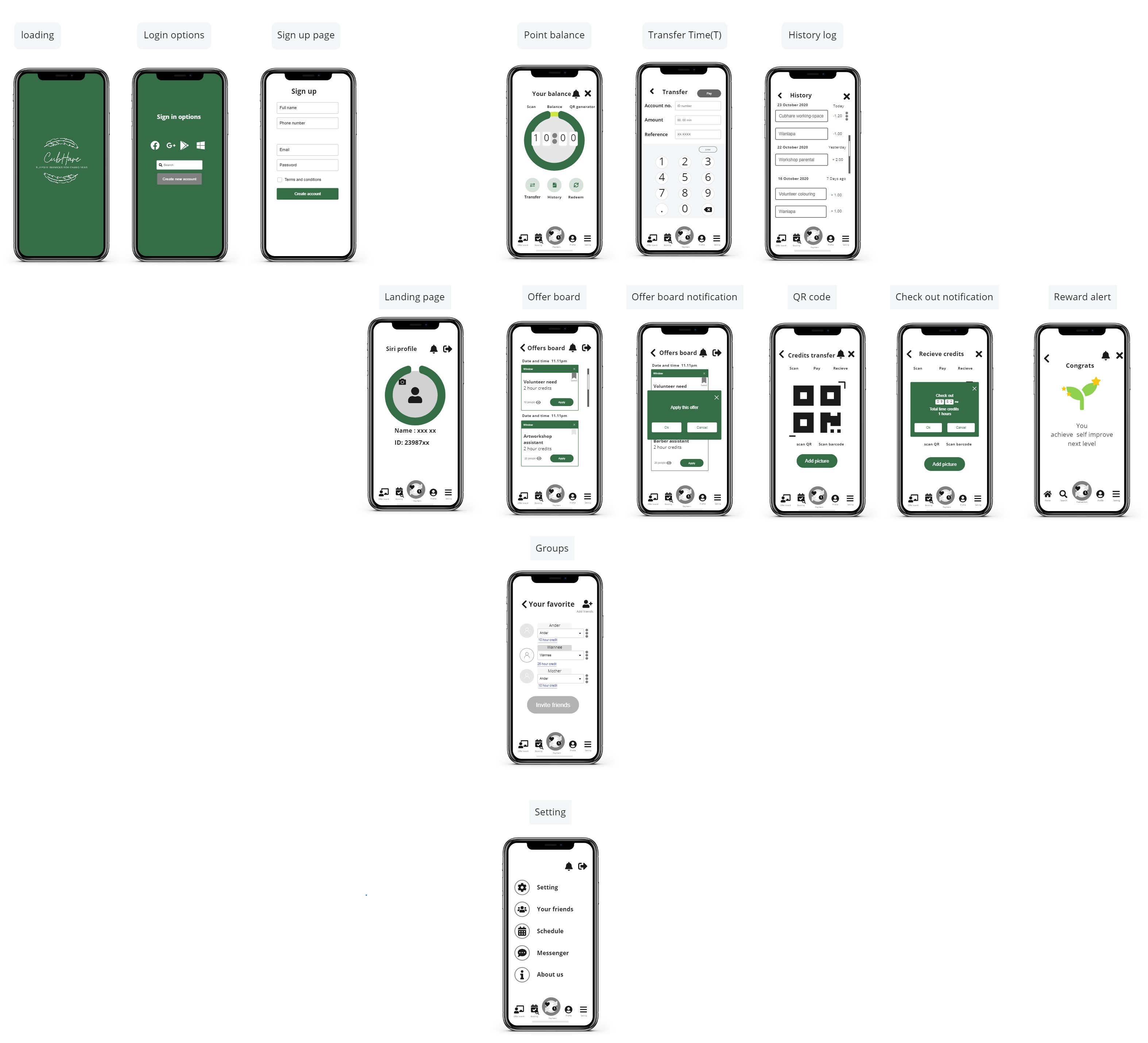
The results of this research offer a service design solution that can be used to provide support groups for caregivers. The design applies a token system (time-based currency) as a medium for group members with which to either provide or acquire caregiving advice and support they support others in the same position by providing caregiving services on rotational basic. These services also provide a venue for caregivers through which they can stay connected while also serving as a learning environment.
link to full research below